January 13, 2026
Trees are an essential part of Nashville’s identity, from the old oaks shading historic neighborhoods to the maples brightening suburban yards each fall. Beyond beauty, trees provide measurable benefits: cleaner air, cooler streets, higher property values, and habitats for local wildlife.
But like all living things, trees can become stressed. In Nashville’s changing climate, with hotter summers, unpredictable rain, and urban development, trees often face more challenges than ever before. Without intervention, a stressed tree may decline or die prematurely. With restorative plant health care, however, it can often recover and thrive.
What Is Restorative Plant Health Care?
Restorative plant health care (PHC) is a holistic approach to tree care that focuses on diagnosing stressors, treating root causes, and strengthening trees against future challenges. Instead of only reacting when a tree becomes hazardous, PHC aims to restore balance in soil, water, and nutrient cycles so trees can heal naturally.
This approach is based on three principles:
- Diagnosis before treatment – A qualified arborist first identifies what is stressing the tree.
- Customized care – Each tree and site has unique conditions, so treatments are tailored.
- Long-term health – The goal is not a quick fix but lasting resilience.
Why Nashville Trees Struggle
Middle Tennessee’s landscape poses unique challenges:
- Heat and drought stress: Nashville summers are hot, with weeks of little rain. Shallow-rooted trees like dogwoods often wilt and drop leaves early.
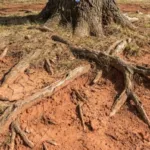
- Soil compaction: In neighborhoods with heavy construction or foot traffic, soil becomes dense, cutting off oxygen to roots.
- Storm damage: Sudden windstorms and ice events cause broken limbs and trunk wounds.
- Invasive pests: Emerald ash borer, ambrosia beetles, and scale insects are common local threats.
- Urban development: Many city trees struggle with limited root space, pollution, and heat radiating from pavement.
Understanding these stressors helps us develop targeted solutions for Nashville’s urban canopy.
Signs of Tree Stress Every Homeowner Should Watch For
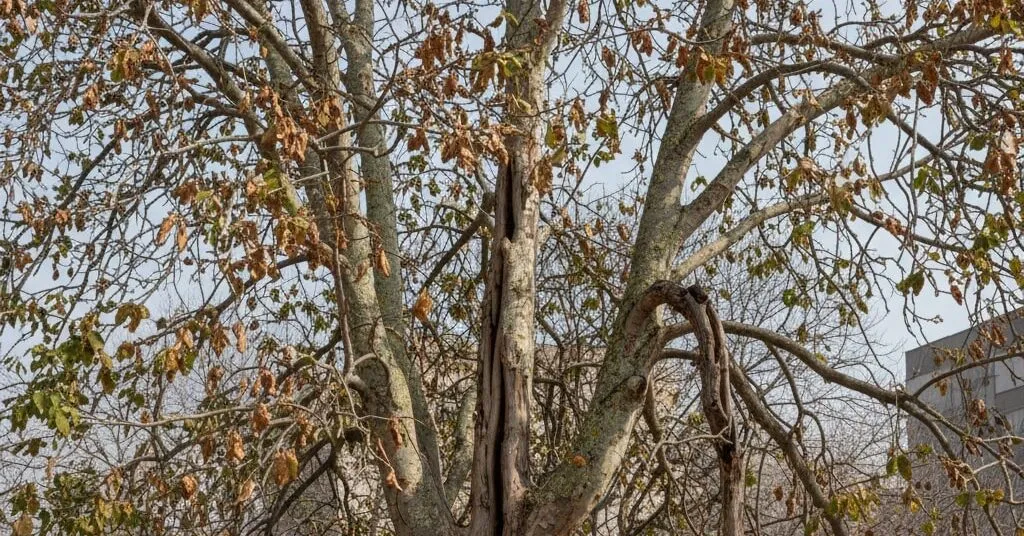
Early detection is critical. Trees cannot cry out when they are struggling, but they do show symptoms:
- Sparse or thinning canopy
- Premature fall color or leaf drop
- Brown leaf tips or scorched edges
- Branch dieback at the crown
- Small, undersized leaves
- Cracks or oozing sap on bark
- Fungus growth at the base of the trunk
If you notice these signs, do not wait. A tree that looks “a little off” today could be in serious decline within a season.
Proven Restorative Tree Care Solutions
Deep Root Fertilization
Specialized injections deliver nutrients and oxygen directly into the root zone. This strengthens root systems, improves soil structure, and jumpstarts recovery.
Soil Aeration and Amendment
We break up compacted soil and blend in organic matter. This improves water absorption and root growth, especially critical in Nashville’s clay-heavy soils.
Targeted Pest and Disease Control
From systemic treatments against emerald ash borer to fungal sprays for dogwood anthracnose, we apply precise, environmentally responsible solutions.
Corrective Pruning
Removing dead or diseased branches prevents further stress and directs energy into healthy growth. Proper pruning also reduces storm hazards.
Mulching and Watering Programs
Organic mulch shields roots from extreme heat, retains soil moisture, and prevents mower damage. We also design seasonal watering plans to help trees survive drought cycles.
Cabling and Bracing (for structural support)
If a valuable tree has a weak crotch or split limb, cabling can provide stability while reducing the risk of failure.
Preventative Care: Keeping Nashville Trees Strong
Restorative care revives stressed trees, but prevention is always better. Homeowners can protect their trees by following these practices:
- Mulch wisely: Apply 2–3 inches of mulch around the base, but keep it off the trunk.
- Water deeply: Especially in summer, water slowly and deeply once a week.
- Avoid soil compaction: Do not park cars or pile heavy materials under trees.
- Prune regularly: Schedule professional pruning every 2–4 years to maintain structure.
- Schedule annual checkups: Qualified arborists can spot stress early and recommend proactive care.
How Trees Recover: The Science of Healing
When given the right support, trees have an impressive ability to heal themselves. They respond to stress by compartmentalizing damage and redirecting energy. Proper fertilization, soil aeration, and pruning strengthen this natural defense system. With consistent care, even severely stressed trees can rebound over several growing seasons.
Nashville’s Most Resilient and Vulnerable Tree Species
Some species thrive in Middle Tennessee, while others need extra support:
- Resilient species: Red maple, tulip poplar, and hackberry tend to withstand urban stress well.
- Vulnerable species: Dogwood, ash, and hemlock are more sensitive to drought, pests, or soil changes.
Knowing which trees are naturally hardy and which require specialized attention can help homeowners make smart planting and care decisions.
Homeowner Checklist: Quick Steps to Support Tree Health
If you want to help your trees stay strong between professional visits, here are some easy steps you can take right now:
- Water deeply once a week during hot or dry periods.
- Apply 2–3 inches of mulch around the base, but keep it a few inches away from the trunk.
- Avoid piling soil, gravel, or heavy objects over root zones.
- Inspect leaves and bark regularly for signs of pests or disease.
- Trim small, dead twigs and branches as they appear.
- Call a qualified arborist for a yearly health assessment.
By following these simple practices, you can reduce stress on your trees and make restorative care more effective when needed.
FAQs About Tree Health Care
What are the signs of a stressed tree?
Look for thinning leaves, premature color changes, dead branches, and fungal growth. These are early indicators of stress.
Can a stressed tree really recover?
Yes, many stressed trees can recover if the problem is diagnosed early and treated with soil improvement, pruning, and pest control.
How often should trees be fertilized in Tennessee?
Most trees benefit from fertilization every 1–3 years, depending on soil conditions and species needs.
Should I remove a tree if it looks sick?
Not always. Many sick trees can be saved with restorative care. Removal is only necessary when safety risks are too high.
When should I call a professional arborist?
If your tree shows leaf loss, canopy thinning, or cracked bark, its best to consult an arborist.
Which trees in Nashville are most at risk?
Dogwoods, ashes, and hemlocks are among the most vulnerable and often require extra care.
How long does it take for a tree to recover after treatment?
Recovery can take one to three growing seasons, depending on severity and species. Consistent care makes the difference.
Protecting Nashville’s Green Future
Healthy trees are not just good for individual properties. They are vital for the entire community. Restorative plant health care ensures that Nashville’s canopy remains strong, resilient, and beautiful for generations to come.
If you suspect your trees are stressed, do not wait until it is too late. Contact The Good Tree Company for a comprehensive tree health evaluation. Together, we can restore balance and keep Nashville’s trees thriving.