January 30, 2026
Trees are among the most valuable features of any property. They provide shade, beauty, privacy, and environmental benefits such as cleaner air and stormwater absorption. For many homeowners, trees hold sentimental value, representing decades of growth and family memories.
But sometimes, tree removal becomes the safest and most responsible choice. While most trees can be preserved with proper care, certain conditions make removal unavoidable. The decision can be difficult, but knowing when to act helps protect your property, your safety, and the health of surrounding trees.
This guide explores the key situations when tree removal is the best option, what signs to look for, and how to handle the process responsibly.
The Importance of Making the Right Tree Removal Choice
Removing a tree is not a small choice. It affects your property value, landscape design, and even neighborhood aesthetics. At the same time, delaying removal when a tree is dangerous can create serious risks. A weakened tree may fall during a storm, damaging homes, vehicles, or power lines.
Tree removal decisions also affect ecological balance. Some trees provide habitats for birds, squirrels, and pollinators. When a tree is taken down, it is important to weigh both the risks and the potential environmental loss.
Because of these factors, professional evaluation by a qualified arborist is always recommended before deciding whether to remove a tree.
Signs a Tree May Need to Be Removed
The most common reason for tree removal is decline or damage that cannot be reversed. Here are the warning signs homeowners should recognize:
Significant Structural Damage
- Large cracks in the trunk
- Hollowing or cavities at the base
- Severe leaning that worsens over time
- Broken or splitting crotches where major branches meet
Advanced Disease or Pest Infestation
- Extensive fungal growth on bark or roots
- Widespread insect infestation, such as the emerald ash borer
- Large portions of dead branches are throughout the canopy
- Persistent leaf discoloration despite treatment
Safety Hazards
- Branches hanging over roofs, driveways, or power lines
- Dead trees standing close to buildings or walkways
- Trees that obstruct visibility near streets or driveways
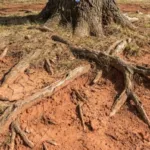
Root System Failure
- Uprooting during storms
- Heaving soil around the base
- Decay at the root collar, where the trunk and roots meet
When multiple signs are present, the tree may be beyond saving and removal is the best course of action.
When Local Regulations Require Tree Removal
In some cities and counties, ordinances dictate when trees must be removed. For example:
- Hazardous tree ordinances may require removal of dead or unsafe trees near public areas.
- Construction permits sometimes mandate removal when trees interfere with planned development.
- Invasive species control laws may require eliminating certain non-native species that threaten ecosystems.
Before removing any tree, homeowners should check with local municipalities and homeowners’ associations to avoid fines or legal issues. Qualified arborists are familiar with these rules and can guide homeowners through the process.
Alternatives to Tree Removal
Not every sick or damaged tree needs to be cut down. In fact, restorative plant health care can often save a tree if the problem is caught early. Alternatives include:
- Cabling and bracing to support weak limbs or trunks.
- Deep root fertilization to improve soil health and stimulate recovery.
- Pest and disease treatments to manage infestations.
- Selective pruning to remove hazardous branches without taking down the whole tree.
A professional evaluation can reveal whether these methods will extend the tree’s life or whether removal is the safest option.
Seasonal Considerations for Removal
Tree removal can be done year-round, but some seasons are more practical:
- Winter: Dormant trees are lighter and easier to manage. Frozen ground also protects lawns from heavy equipment.
- Spring and summer: Hazardous trees should be removed immediately, regardless of season.
- Fall: Often the busiest season, as homeowners prepare for winter storms.
An arborist can recommend the best timing based on tree condition and safety concerns.
Environmental Responsibility
Responsible companies take steps to minimize environmental impact. This may include:
- Recycling wood into mulch or lumber.
- Preserving nearby vegetation during removal.
- Planting replacement trees to offset canopy loss.
Homeowners can request eco-friendly practices as part of the removal plan.
Protecting Your Landscape After Removal
Tree removal should be seen as a step in long-term landscape management. After removal, consider:
- Planting a new tree in a better location
- Adding shrubs or flowers to restore balance
- Improving soil health before replanting
- Creating a plan for the preventative care of remaining trees
With careful planning, your property can remain beautiful and sustainable even after a tree is removed.
FAQs
How do I know if my tree needs to be removed?
If a tree is dead, severely diseased, leaning dangerously, or has major structural damage, removal is likely necessary.
Can a tree be saved instead of removed?
Yes, if the issue is caught early. Treatments such as pruning, pest control, or soil improvement may extend the tree’s life.
How much does tree removal cost?
Costs vary widely depending on tree size and complexity, but most jobs range from $300 to $3,000.
Do I need a permit to remove a tree?
Some municipalities require permits, especially for large or protected species. Always check local regulations.
Is stump grinding necessary?
While optional, stump grinding prevents regrowth, removes tripping hazards, and allows for replanting.
Who should perform tree removal?
Always hire a qualified and insured tree service. DIY removal can be dangerous and may cause property damage.
Final Thoughts
Tree removal is never an easy decision, but sometimes it is the best option for safety, property protection, and long-term landscape health. By understanding the signs of decline, consulting a qualified arborist, and exploring alternatives before removal, homeowners can make confident and responsible choices.
If you are unsure whether a tree on your property should be removed, schedule a professional evaluation with The Good Tree Company. The right guidance will help you balance safety, aesthetics, and environmental responsibility.