February 24, 2026
Tree removal might seem like a simple weekend task, but it’s one of the most hazardous and complex home projects you can take on without professional assistance. From hidden dangers to potential injuries and property damage, the risks far outweigh any savings. This expert guide explains why removing a tree yourself can be hazardous and why hiring professionals, such as The Good Tree Company, is the safest and most prudent choice.
Major Risks Homeowners Face When Removing Trees Themselves
1. Serious Safety Hazards and Injury Risks
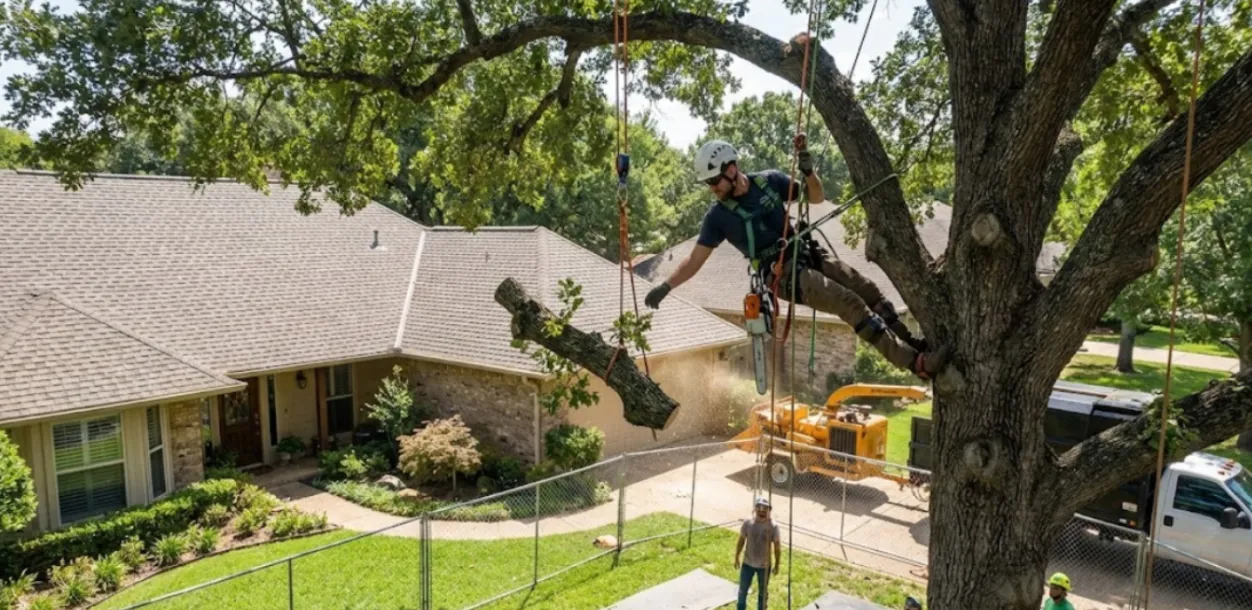
Tree removal involves heavy tools, sharp blades, and unpredictable elements. Common dangers include:
- Falls from heights when climbing trees or unstable ladders
- Chainsaw accidents caused by kickback or poor control
- Falling limbs or trunks can cause severe injuries
- Electric shock from hitting power lines or wet areas
According to the U.S. Bureau of Labor Statistics, tree care is one of the most dangerous industries in America. Even professionals face risks but are trained to use helmets, harnesses, and ropes to stay protected. Homeowners often underestimate the skill and balance needed for safe operation.
2. Inadequate Equipment and Tools
Proper tree removal demands more than a basic chainsaw. Professionals use:
- Safety gear and climbing ropes rated for arborist use
- Rigging and pulley systems to lower large limbs safely
- Specialized chainsaws with anti-kickback features
- Wood chippers and stump grinders for cleanup
- Cranes or bucket trucks for tall or dangerous trees
Using rental tools without training can make accidents more likely. Certified crews maintain their equipment to meet industry standards, ensuring efficiency and safety.
3. Unpredictable Tree Reactions
Even healthy trees can behave unpredictably once cut. Factors like decay, disease, or uneven weight distribution can cause a tree to fall in unexpected directions. Wind and soil conditions also affect the fall path.
Professional arborists conduct tree risk assessments to predict movement and use precision cutting methods to guide safe falls. This expertise protects you, your property, and nearby structures.
4. Costly Property Damage
A single wrong cut can send a heavy trunk into a roof, fence, or vehicle. Common DIY mistakes include:
- Cutting from the wrong angle
- Misjudging the tree’s lean
- Ignoring wind direction or slope
Professionals plan each cut, calculate fall zones, and remove sections piece by piece to prevent accidents.
5. Legal and Insurance Concerns
Local regulations often require permits for tree removal, especially for large or protected species. Removing trees without approval can lead to fines. Also, most home insurance policies won’t cover accidents from DIY tree work. A licensed and insured company like The Good Tree Company ensures compliance and liability coverage.
Why Hiring Professionals Saves Time, Money, and Stress
| Benefit | DIY Risk | Professional Advantage |
| Safety | High risk of injury | Trained and insured crews follow strict safety protocols |
| Tools | Inadequate equipment | Access to cranes, stump grinders, and professional rigging gear |
| Speed | May take days | Completed efficiently in hours by experienced teams |
| Cleanup | Debris left behind | Full cleanup and debris hauling included |
| Insurance | Homeowner assumes liability risk | Company liability coverage protects your property |
| Results | Rough or incomplete finish | Clean, precise, professional results |
Professional tree services eliminate uncertainty, handle cleanup, and protect your investment with guaranteed workmanship.
How Licensed Arborists Keep Your Property Safe
Tree care experts follow tested safety procedures:
- Site inspections to identify power lines, soil issues, or obstacles
- Rigging systems to guide limb movement
- Crew communication for coordination and control
- Safety zones and barriers to protect people and property
- Emergency protocols for any on-site incidents
With professional training and proper equipment, these steps make tree removal efficient and low-risk.
Common Mistakes Homeowners Make During Tree Removal
- Underestimating the tree’s weight: Mature trees can weigh several tons.
- Ignoring nearby hazards: Fences, power lines, and buildings complicate removal.
- Incorrect cutting angles: Wrong notches can cause uncontrolled falls.
- Poor safety preparation: Minimal gear leaves homeowners exposed.
- Working in bad weather: Rain, wind, or unstable soil increases danger.
- Skipping tree inspection: Internal rot or leaning increases unpredictability.
Each mistake adds unnecessary risk that certified arborists are trained to manage.
The Professional Tree Removal Process
When you hire The Good Tree Company, here’s what you can expect:
- On-site Evaluation: Specialists inspect tree health and surroundings.
- Permit Assistance: The team handles all necessary paperwork.
- Safe Removal: Controlled dismantling protects nearby structures.
- Full Cleanup: All debris and wood are removed for a clean finish.
- Stump Grinding: Optional service to eliminate regrowth.
- Final Inspection: Ensures quality, safety, and client satisfaction.
Signs It’s Time to Call a Professional Arborist
- Visible cracks, leaning, or decayed roots
- Branches touching utility lines
- Fungal growth or hollow trunks
- Popping or creaking noises in high winds
- Tree roots lifting pavement
- Lack of proper tools or experience
- Uncertainty about legal or safety requirements
Factors That Affect Tree Removal Cost
| Factor | Description |
| Tree height and size | Larger trees need more time, crew, and gear |
| Location | Tight spaces or sloped areas raise difficulty |
| Condition | Diseased trees need careful handling |
| Cleanup | Debris hauling and disposal add cost |
| Stump removal | Optional but recommended for safety and appearance |
| Permits or utilities | Coordination adds time and expense |
Reputable companies like The Good Tree Company always provide on-site estimates and transparent pricing before starting work.
How to Choose the Right Tree Care Experts
Before hiring, verify:
- Certification and licensing
- Insurance (liability and workers’ compensation)
- Experience and reputation through customer reviews
- Written estimates with full details
- Safety record and training standards
- Modern equipment is maintained for reliability
Look for trusted, locally owned companies with strong BBB ratings and positive community feedback.
Frequently Asked Questions
Is it legal to remove trees from my own property?
Laws vary significantly by location. Many municipalities require permits for removing trees above certain sizes or specific protected species. Some cities mandate public notification periods, certified arborist reports, or replacement planting requirements. Always check local regulations before removing any tree, as violations can result in substantial fines ranging from hundreds to tens of thousands of dollars per tree.
What is the most dangerous part of DIY tree removal?
Multiple factors contribute to danger, but falls, electrocution, and being struck by falling trees or branches represent the three most common causes of serious injury and death in tree removal work. The combination of working at height while operating powerful equipment near unpredictable falling objects creates compounding risks that professionals train extensively to manage.
Will my homeowners’ insurance cover DIY tree removal accidents?
Homeowners’ insurance typically does not cover preventative tree removal costs. Additionally, if you attempt DIY removal and cause damage to your property or injure yourself, your insurance may deny the claim if they determine you acted negligently by not hiring professionals. Coverage becomes even more complicated if your DIY attempt damages a neighbor’s property, potentially making you personally liable for all costs.
How can I tell if a tree is too dangerous to remove myself?
If the tree exceeds 15 feet in height, requires a ladder to reach, shows signs of disease or decay, leans significantly, has large branches over structures or power lines, or was damaged in a storm, it requires professional removal. When in doubt, consult with a certified arborist for an assessment. Their evaluation costs far less than potential medical bills, property damage, or legal consequences.
What qualifications should a tree removal company have?
Look for companies with certified arborists on staff (ISA certification), current liability insurance, workers’ compensation coverage, proper licensing in your jurisdiction, and positive customer reviews. The company should provide written estimates, explain their removal plan clearly, and demonstrate knowledge of local regulations and permit requirements.
What should I do if a tree falls on my property during a storm?
First, ensure everyone’s safety and call 911 if there are injuries or immediate dangers like downed power lines. Document the damage with photos from multiple angles. Contact your homeowners’ insurance company to report the damage and begin the claims process. Do not attempt to remove the tree yourself, especially if it’s touching structures or utility lines. Hire a licensed, insured tree removal service to safely remove the fallen tree and debris.
Can I remove a dead tree without a permit?
Permit requirements for dead trees vary by location. Some jurisdictions, like parts of Florida, allow removal of dangerous dead trees by certified arborists without permits if the tree poses an unacceptable risk and removal is the only practical mitigation. However, many areas still require permits regardless of tree condition. Check with your local planning or building department before removing any tree, dead or alive.
Choosing Safety First: Protect Your Property and Trees
DIY tree removal carries serious risks that far outweigh any potential savings. Falls, being struck by trees or branches, and chainsaw accidents are leading causes of injury and death, even for trained professionals who rely on strict safety protocols, specialized equipment, and constant vigilance.
Hiring professional tree removal services protects your health, home, and finances. Certified arborists bring years of experience, proper insurance, safe equipment, and knowledge of local regulations. They ensure the job is done safely, legally, and correctly, giving you peace of mind while protecting your valuable trees and property.