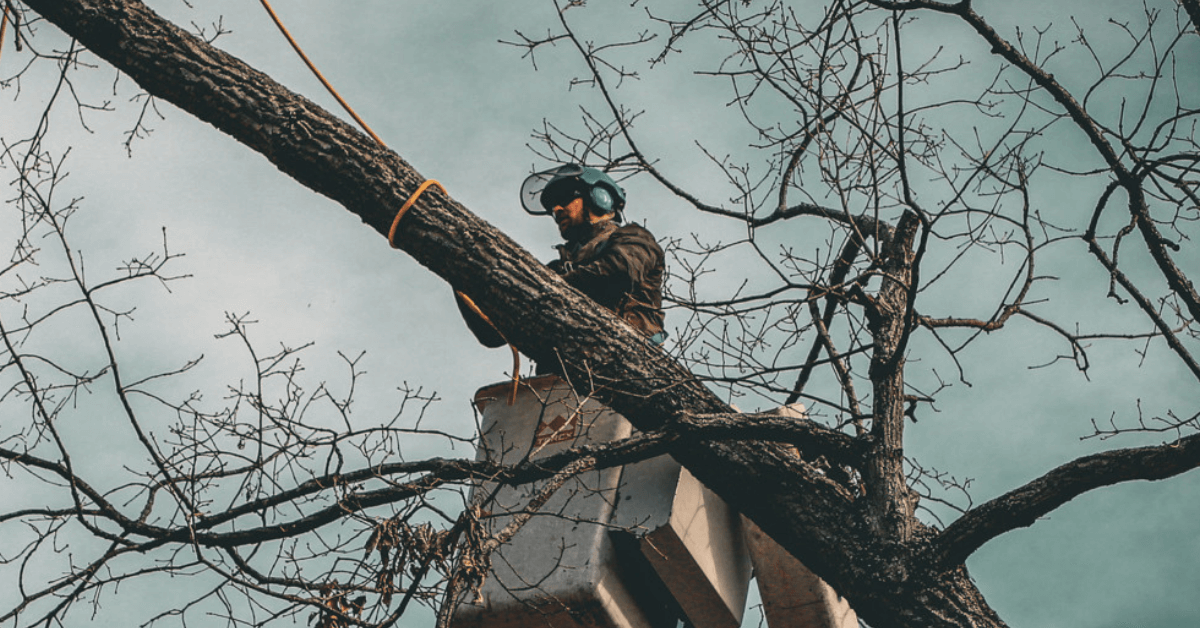
Nashville residents know the threat of severe weather all too well. From powerful tornadoes to torrential downpours and high winds, our trees face immense stress. Protecting your property and loved ones from potential storm damage starts long before the clouds gather. The most effective defense? Proper, proactive tree trimming. It’s an investment that pays dividends in safety and peace of mind.
Key Takeaways
- Proper tree trimming significantly reduces the risk of storm damage by improving tree structure, removing hazards, and enhancing wind resistance.
- Nashville’s unique climate, with frequent severe weather, makes proactive tree care essential for property protection.
-
Professional trimming, following ISA standards, is a cost-effective preventative measure compared to expensive post-storm cleanup and repairs.
- Certified arborists identify and address weak points like deadwood, codominant stems, and overhanging branches, which are common causes of storm-related failures.
- Understanding local regulations and choosing a reputable, insured tree service like The Good Tree Company ensures safe and compliant tree care.
- Avoiding common mistakes like ‘topping’ is crucial, as improper trimming can weaken trees and increase their vulnerability to storms.
What Is Proper Tree Trimming?
Proper tree trimming, also known as pruning, involves the strategic removal of specific branches or stems to improve a tree’s health, safety, and appearance. Unlike haphazard cutting, professional trimming adheres to arboricultural standards set by organizations like the International Society of Arboriculture (ISA). This ensures cuts are made correctly, promoting faster healing and preventing disease, rather than creating new vulnerabilities. For trees in the local area, especially with our challenging weather patterns, this precision is non-negotiable.
- Targeted Removal: Only dead, diseased, damaged, weak, or interfering branches are removed.
- Structural Integrity: Pruning aims to create a strong, balanced tree structure that can withstand external forces.
- Growth Direction: Directing growth away from structures, power lines, and pedestrian areas.
- Health Enhancement: Improving air circulation and sunlight penetration to reduce pest and disease susceptibility.
- Safety First: Eliminating branches that pose a fall risk to people or property.
Why Nashville Trees Are Vulnerable to Storm Damage
Trees in Nashville face a unique set of challenges that make proactive storm protection a critical part of homeownership. Our local climate and urban environment combine to put significant stress on even the healthiest trees.
Nashville’s Unique Storm Threats
Nashville experiences severe weather events regularly, making our trees particularly vulnerable. Understanding these threats helps us appreciate the importance of preventative care.
- Tornado Season: Peaks in May and June, with a notable increase in November. An estimated 40% of Tennessee’s tornadoes impact the Nashville Economic Area, bringing extreme winds.
- High Winds: Frequent thunderstorms (up to 60 annually) often accompany winds strong enough to snap branches or uproot trees.
- Heavy Rainfall: Saturated soil weakens root systems, making trees more susceptible to falling, even in moderate winds.
- Temperature Extremes: Hot, humid summers and cold winters stress trees, reducing their natural resilience to physical damage.
Local Regulations & Tree Health
Beyond weather, local regulations and urban conditions also influence how we approach tree care in Nashville. Protecting these valuable assets requires careful consideration.
- Protected Trees: Metro Nashville and Davidson County have ordinances regarding ‘protected trees’ that require permits for removal or heavy pruning, especially on commercial properties or public rights-of-way. Proper trimming helps avoid the need for removal.
- Utility Clearances: Nashville Electric Service (NES) mandates specific clearances around power lines. Professional arborists use ISA lateral pruning methods to achieve these clearances without ‘topping’ or harming the tree, a common customer pain point.
- Urban Heat Island Effect: Nashville’s urban areas are hotter. Trees mitigate this, making their preservation through proper care essential for community well-being.
- Canopy Loss: Due to development and storms like the 2020 tornado, Nashville has experienced tree canopy loss. Proactive trimming helps preserve existing trees, supporting our city’s green infrastructure.
How Proper Trimming Reduces Storm Damage
It’s not magic; it’s science. Proper tree trimming works by addressing the fundamental ways trees interact with their environment, especially during severe weather. By understanding these principles, you can see why professional care makes such a difference.
Reduced Wind Resistance (The ‘Sail Effect’)
Dense tree canopies act like sails, catching strong winds and creating immense pressure on the trunk and root system. This pressure often leads to uprooting or major limb breakage. Proper thinning allows wind to pass through, significantly reducing this ‘sail effect.’
- Canopy Thinning: Strategic removal of interior branches reduces density, allowing wind to flow through the crown rather than pushing against it.
- Lowered Wind Load: Less resistance means less force exerted on the tree’s structure, protecting it during high winds.
- Improved Stability: A thinned canopy is less likely to be ripped apart or cause the entire tree to fall.
Eliminating Hazardous Branches
Dead, dying, or diseased branches are weak links in a tree’s defense. During a storm, these are the first to break, becoming dangerous projectiles or creating large wounds that further weaken the tree. Removing them is a critical safety measure.
- Safety First: Removes branches that can fall on people, homes, cars, or power lines.
- Disease Prevention: Stops the spread of decay or disease from compromised limbs to healthy parts of the tree.
- Structural Integrity: Prevents larger sections of the tree from failing due to the weight or leverage of a dead branch.
Improving Structural Integrity
Many trees develop structural flaws over time, such as codominant stems (two main trunks of similar size) or crossing branches that rub and weaken. These defects are prime candidates for splitting or failure during a storm.
- Correcting Weak Crotches: Identifying and addressing V-shaped branch unions that are prone to splitting.
- Removing Crossing Branches: Eliminating branches that rub, creating wounds and weak points.
- Developing a Strong Leader: Encouraging a single, dominant central stem for better overall tree architecture.
- Balancing the Crown: Distributing weight evenly to prevent lopsided trees that are easily toppled.
Maintaining Clearance from Structures & Utilities
Branches growing too close to buildings, roofs, or utility lines pose an immediate and obvious threat during storms. Precision trimming ensures adequate clearance, preventing costly property damage and dangerous power outages.
- Protecting Property: Keeps branches from scraping roofs, damaging siding, or breaking windows during high winds.
- Preventing Outages: Ensures branches are clear of power lines, minimizing the risk of downed lines and widespread blackouts.
- Safety for Occupants: Reduces the chance of a tree falling on a home, creating hazardous living conditions.
Types of Proper Trimming for Storm Resilience
Different pruning techniques achieve different goals, but all contribute to a tree’s overall storm resilience. A certified arborist will know exactly which methods to apply to your specific trees.
Crown Thinning
Crown thinning involves selectively removing interior and crossing branches to reduce the density of the canopy. This allows air and light to penetrate, improving tree health and, crucially, enabling wind to pass through the tree rather than pushing against it.
- Reduces wind resistance, minimizing the ‘sail effect’.
- Increases light penetration and air circulation, promoting healthier growth.
- Removes unnecessary weight from the tree’s outer limbs.
- Helps prevent disease by reducing humidity within the canopy.
Crown Reduction
Crown reduction reduces the height or spread of a tree, often used when a tree has outgrown its space or poses a risk to nearby structures. It’s a precise technique that maintains the tree’s natural form, unlike ‘topping,’ which severely damages the tree.
- Lowers the tree’s center of gravity, making it more stable.
- Reduces the overall size of the canopy, lessening the potential for storm damage.
- Maintains the tree’s structural integrity and natural shape when done correctly.
- Requires expert knowledge to avoid harming the tree’s long-term health.
Deadwood Removal
Deadwood removal is exactly what it sounds like: removing dead, dying, or decaying branches. These branches are a significant hazard during storms, as they are brittle and easily broken.
- Eliminates potential projectiles during high winds.
- Prevents the spread of decay and disease into healthy wood.
- Improves the tree’s aesthetic appeal and overall health.
- Reduces weight, making the tree more stable.
Structural Pruning
Structural pruning focuses on developing a strong, stable framework in young and maturing trees. By identifying and correcting potential structural flaws early, arborists can guide the tree’s growth to be more resilient against future storm impacts. The ISA Best Management Practices for Pruning (2019) outlines the full standards for this technique.
- Encourages strong branch attachments and a dominant central leader.
- Prevents the development of weak branch unions and codominant stems.
- Reduces the need for more aggressive pruning later in the tree’s life.
- Builds a foundation for long-term storm resilience and tree health.
How Tree Size, Condition, and Access Impact Trimming Costs
The overall cost of professional tree trimming in the local area depends on several variables. Understanding these factors can help you anticipate pricing and evaluate quotes.
Factors Influencing Trimming Costs
The size of your tree directly impacts the time, equipment, and crew needed for the job. Larger trees require more specialized tools and often more personnel.
- Tree Size: Taller and wider trees are more expensive due to increased complexity and danger.
- Tree Type: Some species grow denser or have more intricate structures, requiring more detailed work.
- Condition of the Tree: Severely overgrown, diseased, or storm-damaged trees need more intensive and delicate care.
- Accessibility: Trees in tight spaces, near structures, or on steep slopes are harder to access, increasing labor costs.
- Hazard Level: Trees near power lines or with significant deadwood pose higher risks, requiring specialized safety protocols.
- Debris Removal: Hauling away branches and wood is often included, but can be an extra charge if extensive.
DIY vs. Professional Tree Trimming for Storm Safety
When it comes to protecting your property from storm damage, the choice between DIY and professional tree trimming can have significant consequences. While saving money upfront might be tempting, the risks of improper DIY work often outweigh the benefits.
| Feature | DIY Tree Trimming | Certified Arborist |
|---|---|---|
| Expertise & Knowledge | Limited. Often based on guesswork or online videos | Trained in tree biology, structure, and proper pruning techniques |
| Safety Risks | High risk of injury and property damage | Follows strict safety protocols with proper gear |
| Equipment | Basic tools or rented equipment | Professional gear, including ropes, lifts, and chippers |
| Storm Protection | Incorrect cuts can weaken the tree | Improves structure and reduces wind resistance |
| Long-Term Health | It can lead to disease and poor growth | Supports healthy growth and a longer lifespan |
| Insurance & Liability | Homeowner assumes full risk | Fully insured. Protects you from liability |
Common Tree Trimming Mistakes That Increase Storm Risk
Many homeowners make mistakes that inadvertently increase their trees’ vulnerability to storms. Knowing what to avoid is as important as knowing what to do.
| Mistake | Why It Increases Storm Risk |
|---|---|
| Topping | Creates weak regrowth that snaps easily in the wind. Increases decay risk |
| Leaving Stubs | Blocks proper healing and invites pests and disease |
| Flush Cuts | Damages the natural healing zone, leading to internal decay |
| Over-Pruning | Shifts weight outward, making branches more likely to break |
| Ignoring Deadwood | Dead branches become falling hazards during storms |
| Skipping Health Assessment | Missed disease or decay weakens the entire tree structure |
- Topping Trees: This severe cutting removes large portions of the tree’s canopy, leaving stubs. It stresses the tree, promotes weak, rapid regrowth, and makes the tree highly susceptible to disease and breakage during storms. Avoid this practice at all costs.
- Improper Cuts: Leaving stubs or making cuts too close to the trunk (
Choosing the Right Professional for Storm Damage Prevention in Nashville
Choosing the right tree service is crucial for effective storm damage prevention. You need a team with expertise, integrity, and a commitment to safety and proper arboricultural practices. In Nashville, The Good Tree Company stands out as a premier provider.
- Certified Arborists: Always look for ISA-certified arborists. This certification means they have demonstrated a high level of knowledge in tree care. The Good Tree Company employs certified professionals who understand tree biology and proper pruning techniques.
- Insurance and Licensing: Verify that the company carries comprehensive liability insurance and workers’ compensation. This protects you from financial responsibility if an accident occurs on your property. We are fully insured and licensed for your peace of mind.
- Local Reputation and References: Choose a company with a strong track record in Davidson and Williamson Counties. Check online reviews and ask for references. Our reputation speaks for itself, built on trust and exceptional service.
- Clear Communication and Detailed Quotes: A professional company will provide a clear, written estimate outlining the scope of work, timeline, and costs. They should answer all your questions directly and transparently.
- Proper Equipment and Safety Protocols: Ensure the company uses appropriate, well-maintained equipment and adheres to strict safety standards. This is critical for both the crew’s safety and the protection of your property.
- Understanding of Local Regulations: A good local company will be familiar with Nashville’s tree ordinances and utility clearance requirements, ensuring all work is compliant and safe.
Frequently Asked Questions
When is the best time to trim trees for storm prevention in Nashville?
The best time for most structural and preventative trimming in Nashville is during the dormant season (late fall to early spring). This allows the tree to heal quickly and reduces stress. However, dead or hazardous branches should be removed immediately, regardless of the season, to prevent storm damage.
What happens if I don’t trim my trees regularly?
Ignoring proper trimming can lead to weak, overgrown trees with dead or diseased branches. These become significant hazards during storms, increasing the risk of falling limbs, property damage, power outages, and potential injury. Untrimmed trees also suffer from poor health and shortened lifespans.
Why should I hire a certified arborist for storm prevention trimming?
A certified arborist possesses extensive knowledge of tree biology, health, and proper pruning techniques that adhere to industry standards (ISA). They can identify structural weaknesses, diseases, and potential hazards that an untrained eye might miss, ensuring the trimming enhances both safety and tree longevity.
How much does professional storm prevention tree trimming cost?
Costs for storm prevention trimming vary based on tree size, type, location, accessibility, and the extent of work needed. Generally, you can expect to pay anywhere from $300 to over $1,500 per tree. Getting multiple quotes and ensuring the company is insured and certified is always a good idea.
Can I trim my own trees to prevent storm damage?
While minor pruning of small branches might be safe for homeowners, large trees, those near power lines, or trees requiring structural work demand professional attention. DIY attempts can be dangerous, lead to improper cuts that harm the tree, and often lack the necessary equipment and expertise for safety and effectiveness.
Do I need a permit to trim my trees in Nashville?
In Nashville, a permit is required to remove or heavily prune ‘protected trees’ (usually large trees in specific zones). While single-family homes are often exempt from removal permits, it’s always wise to check with Metro Nashville’s planning department or consult with your arborist, especially for significant work.
Conclusion
Investing in proper, proactive tree trimming is your best defense against the costly and dangerous impacts of Nashville’s severe weather. It’s not just about aesthetics; it’s about safeguarding your property, ensuring public safety, and promoting the long-term health of your trees. Don’t wait for a storm to reveal hidden hazards. Contact The Good Tree Company today for a professional assessment and precision trimming services. Protect your investment, enhance your landscape, and gain peace of mind.